
At least once since you have been regular with the gym, you must have thought about: Hack squat vs leg press, which one is better when it comes to building lower body strength. To be honest, both of these do help you build stronger legs, but they offer varied advantages, muscle activation patterns, and potential outcomes.
And we all know how important it is to choose the right exercise to see visible results. So, we are here to answer all your ‘whats’, ‘hows’, and ‘whys’. By the end of this guide, you’ll have a clear answer for – hack squat vs leg press, which is best for building a stronger lower body.
Know About Hack Squat
What is a hack squat?
The hack squat is a squat-style exercise done on a guided setup where your shoulders rest under pads, and your feet stay placed on a platform. It’s meant to copy the squat movement while giving your body more support and stability.
How it works
When you perform a hack squat, your body moves along a fixed path. You lower yourself by bending your knees and then push back up using your legs. Because the movement is guided, you don’t need to worry much about balance and can fully focus on pushing through your legs.
What it works for
Hack squats mainly target your thighs, especially the front part called the quads. Your glutes and hamstrings also help during the movement, but the quads feel most of the load. This makes hack squats a great option if your goal is to build stronger, more defined thighs.
Why it’s great
Hack squats are almost everyone’s favourite because they let you train your legs hard without worrying too much about balance or lower-back strain. They let you squat deep with good form and put less stress on your lower back compared to traditional squats. This is extremely helpful for people who struggle with balance or wish to train their legs hard, without overloading their spine.
Downsides
-
The fixed movement can feel a bit awkward for some people
-
If your feet aren’t placed properly, it can put extra stress on your knees or hips
-
Because the machine supports your body, your core doesn’t have to work as hard
-
It doesn’t challenge balance as much as free-weight squats
Leg Press
What is a leg press?
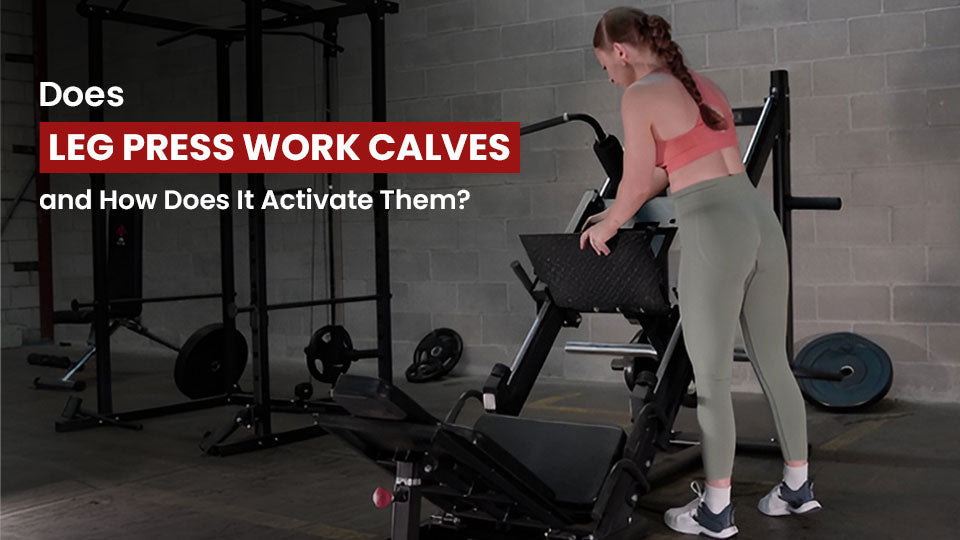
The leg press is a lower-body exercise where you sit back and push a weighted platform away using your legs. Your upper body stays supported throughout, which makes moves feel more relaxed compared to standing leg exercises.
How it works
You start by placing your feet on the platform and pushing it away by straightening your legs. After that, you slowly bring the weight back down and repeat. The movement stays controlled, allowing your legs to do most of the work while your back remains supported.
What it works for
The leg press works your quads, glutes, and hamstrings together. By adjusting where you place your feet, you can slightly change which muscles feel more active. This makes it useful for overall leg strength and muscle growth.
Why it’s great
All thanks to leg presses that let you lift heavy weights without stressing about balance. These are not hard to learn and are ideal for beginners as well. These are a top choice for all those who want to push their legs hard while keeping their lower back safe.
Downsides
- Using too much weight without control can cause strain or injury
- Poor foot placement or locking your knees may lead to discomfort
- Doesn’t work your core or balance as much as free-weight exercises
- Can feel less natural for some people compared to regular squats
Hack Squat vs Leg Press: Key Differences
If you’ve ever wondered which is better for building strong legs, the hack squat and leg press are both solid, but they work a bit differently. Here’s a simple breakdown.
How You Move
Hack squats are similar to regular squats. While performing these, your torso stays upright, and you push through your heels while your shoulders support some weight.
However, leg presses are entirely different; you sit back and push a platform with your legs. It’s more controlled, and your upper body barely moves.
Which Muscles Work
Hack squats hit your quads hard, but they also work your glutes, hamstrings, and even your core a little because you’re keeping your body upright.
Leg presses mostly target quads and glutes, with less work for your core. If you want well-rounded leg strength, hack squats give a bit more bang for your buck.
Range of Motion
Hack squats are for those who like to squat deeper, as it gives your hips and knees a bigger stretch, similar to a regular squat.
On the other hand, leg presses have a shorter range, and taller people sometimes feel a bit cramped.
Back Safety
Hack squats do put some load on your spine, though it’s way less than a barbell squat.
Leg presses are easier on the back because your torso is fully supported. If you have lower-back issues, leg presses are a safer pick.
How Much Weight Can You Lift
Leg presses make it easier to push heavy weights since you don’t have to worry about balance. Hack squats let you lift heavy, too, but your shoulders and spine can limit how much weight feels comfortable.
Tip: In some gyms, you will find setups that let you switch between hack squats and leg presses in one machine. This is perfect if you want variety without needing extra space.
Hack Squat vs Leg Press: Comparison Table
|
Factor |
Hack Squat |
Leg Press |
|
Movement Style |
Feels like a regular squat where your body moves up and down in a guided path |
You stay seated and push the weight away with your legs |
|
Body Position |
Upright posture with shoulders supporting some load |
Seated or reclined position with full back support |
|
Main Muscles Worked |
Mostly quads, along with glutes and some core engagement |
Quads and glutes, with very little core involvement |
|
Muscle Feel |
You’ll feel a strong burn in the front of your thighs |
Feels more spread across the legs, depending on foot position |
|
Range of Motion |
Allows deeper squats and a more natural squat-like movement |
Slightly shorter movement, which can feel limited for taller people |
|
Balance Required |
Minimal balance needed, but still feels like a squat |
No balance needed at all |
|
Lower Back Impact |
Less stress than barbell squats, but some spinal load remains |
Back-friendly due to full support |
|
Weight Handling |
Heavy, but limited by shoulder and spine comfort |
Easier to load very heavy weights safely |
|
Beginner-Friendly |
Good, but it may take a little time to get used to |
Extremely beginner-friendly and easy to learn |
|
Best For |
Building strong, defined quads and squat strength |
Lifting heavy and adding overall leg size |
|
Feels Most Like |
A controlled squat |
A pure leg push exercise |
Final Take: Hack Squat vs Leg Press
The hack squat vs leg press debate really comes down to how you like to train. If you enjoy a squat-style move that lights up your quads and keeps your form in check, hack squats are a solid pick. On days when you want to load up weight, feel stable, and push your legs without stressing your back, leg presses just make sense.
Many lifters use both to get the best results. If you’re building a home or commercial setup, GTA Fitness offers leg machines that help you train smarter, not harder.
Frequently Asked Questions
Is a hack squat or leg press better for fat loss?
Neither directly burns fat on its own. Both help build muscle, which can increase calorie burn over time. Fat loss mainly depends on diet and overall training volume, not just choosing between hack squat vs leg press.
How often should you include hack squats or leg presses in your leg routine?
Most people use one or both 1–2 times per week, depending on their training split. Overusing either can lead to joint fatigue, so rotating them with other leg exercises often works best.
Are hack squats or leg presses better during injury recovery?
Leg presses are often used during recovery because the body is supported and movement can be limited. However, recovery programs should always be guided by a professional, especially for knee, hip, or back injuries.