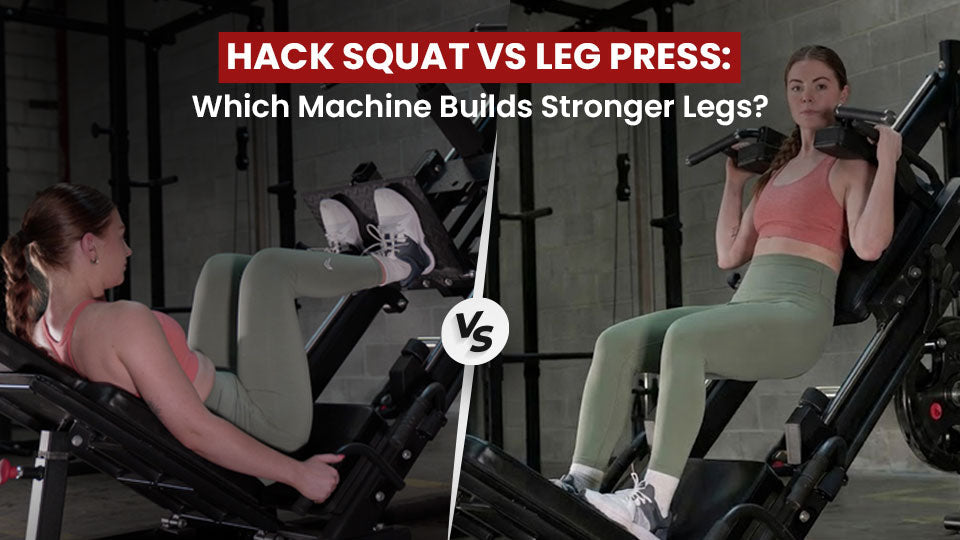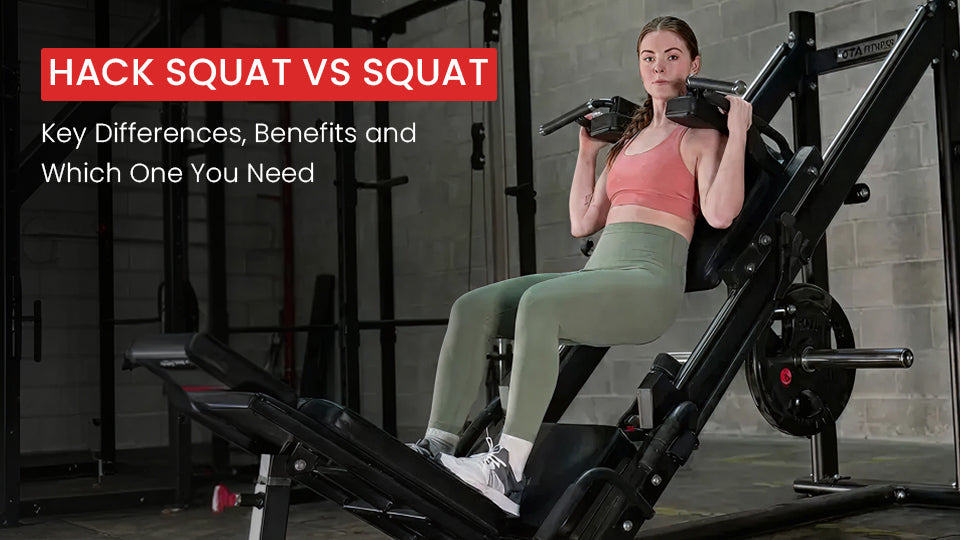

Most people use the leg press to train quads and sometimes hamstrings. Calves are usually trained separately, so it’s common to ask, does leg press work calves at all. Some gym-goers say it does, while others say it doesn’t. The confusion comes from how the exercise is performed.
While the leg press is not a direct calf exercise, calves do get involved during the movement. Understanding when and how this happens helps you use the machine more effectively for complete leg training.
Does Leg Press Work Calves?
Yes, does leg press work calves is a fair question, and the honest answer is yes, but with conditions. Calves are not the main muscle during a standard leg press. They act as support muscles that help stabilize your ankles and assist during the push.
When the movement stays stiff and controlled only by the knees and hips, calves don’t do much. When ankle movement is allowed, calves start contributing more. That’s why results vary so much from person to person.
Why Calves Are Not the Main Focus
The leg press is really meant to target your big leg muscles. Your quads do most of the heavy lifting, while your glutes and hamstrings jump in to help. Your calves? They’re along for the ride, playing more of a supporting role than taking center stage.
This is why many people wonder does leg press work calves, especially when they don’t feel much happening in that area.
They mainly help with:
- Keeping your ankles stable
- Giving a little boost during the push
- Controlling the movement as you come down
Because calves aren’t the main muscles working here, just hopping on the leg press won’t make them grow. If your foot placement and reps aren’t right, they stay underworked and often get ignored.
Why Foot Position Matters for Calf Activation
When it comes to feeling your calves on the leg press, foot placement matters more than people realize. Most of us place our feet, push the weight, and move on. But where your feet sit decides which muscles actually work.
Standard Foot Placement
When your full foot is flat on the platform, the leg press mainly works your thighs and hips. Your calves are there, but they’re just helping with balance.
You don’t really feel them, and that’s normal. This position is good for overall leg strength, just not for building calves.
Higher Foot Placement
If you move your feet a little higher, things start to change. Your ankles move more during the press, and your calves start helping a bit more.
You might feel a slight stretch or tension. It’s still comfortable, but now your calves aren’t completely ignored.
Calf-Focused Foot Placement
This is where calves finally do real work. Place only the balls of your feet on the platform and let your heels drop as you lower the weight.
You’ll feel a stretch right away. Then push up through your toes, slowly and with control. This is the position where people actually start feeling their calves burn on the leg press.
Why Equipment Quality Matters
Here’s the truth – not all leg press machines are similarly designed and built. Some do not let you place your feet where you need to, while others feel rough or jerky when you move.
When you are trying to control the reps and get a good calf stretch, a few things make a big difference:
- A stable platform
- Smooth, controlled movement
- Proper foot placement
A machine that combines a leg press and hack squat tends to give you better angles and more stable feet placement, which helps you stay in control throughout the movement. For example, the Leg Press / Hack Squat Machine supports proper foot setup and smooth reps, making it easier to focus on activating your calves when you want to.
Common Reasons Calves Don’t Grow on the Leg Press
Many people assume the machine doesn’t work calves when the real issue is how it’s used. Fast reps, heavy weight, and no stretch are the biggest problems.
Here are a few common mistakes to avoid:
- Rushing through reps
- Locking out at the top
- Using too much weight
- Ignoring ankle movement
Fixing these alone can change how calves respond.
How to Use Leg Press More Effectively for Calves
Slow Down the Movement
You don’t need complicated techniques to make the leg press work for your calves. The first and biggest change is slowing everything down. Most people rush through reps, which doesn’t give calves enough time to work. Move the weight slowly on the way down and just as controlled on the way up.
Focus on the Stretch
As you lower the platform, allow your heels to drop slightly. You should feel a stretch in your calves at the bottom. Don’t bounce out of it. Hold that position for a brief pause before pressing back up. That stretch is where a lot of calf activation actually happens.
Press Through Your Toes
When pushing the weight up, think about driving through your toes instead of your whole foot. This small change shifts the effort away from your quads and puts more tension directly on your calves. Keep the movement smooth and controlled.
Control Beats Heavy Weight
Calves respond better to tension than speed. Heavy, fast reps usually skip the muscle. Controlled reps keep your calves working longer, which leads to better results over time.
Small habits that make a big difference:
- Slow, controlled reps
- Brief pause at the bottom
- Pressing through the toes
Stick with these, and the leg press starts working your calves the way you expect it to.
Final Take on Using the Leg Press for Calves
So, does the leg press work calves? The answer isn’t hidden in the machine; it’s in how you choose to use it. The leg press gives you an opportunity, not a guarantee.
When you understand what your calves need and stop treating the movement like a rushed leg exercise, the machine starts delivering more than expected.
Calf growth has always been about attention and intention. Once you bring both into your leg press routine, calves stop being an afterthought and start becoming part of real leg development.
If you’re planning to invest in a leg press or hack squat machine, you can shop online from GTA Fitness and take your leg and calf training to the next level.
Frequently Asked Questions
Can beginners feel calves on the leg press?
Yes, beginners can feel their calves if they focus on slow, controlled reps and proper foot placement. Rushing through sets usually means calves stay inactive.
How can I make my calves work more on the leg press?
Focus on pressing through your toes, lowering slowly, and pausing at the bottom. Placing only the balls of your feet on the platform also increases tension in the calves.
Are calves harder to grow on the leg press than quads?
Yes, calves are stubborn muscles and need more focus. Quads take over easily if you don’t control the movement, which is why calf growth requires attention to form and foot placement.